 business
 news
news




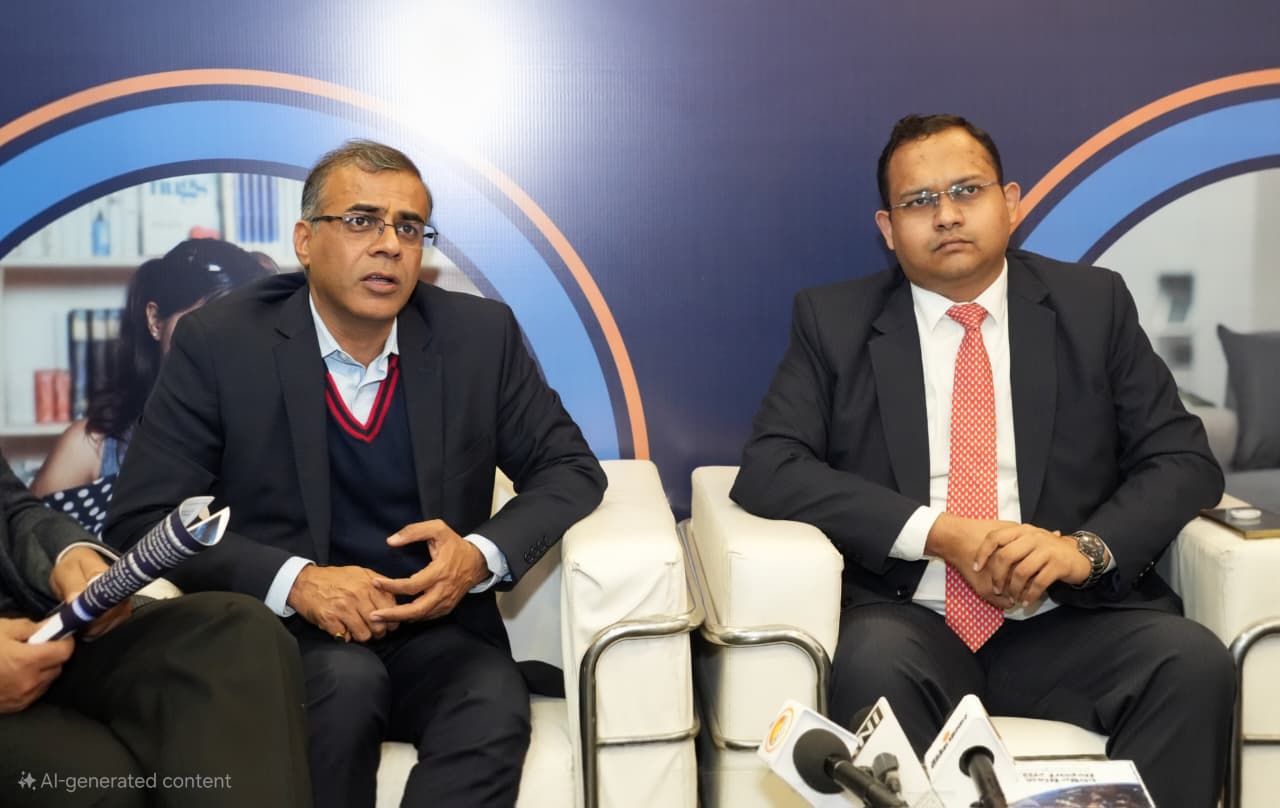
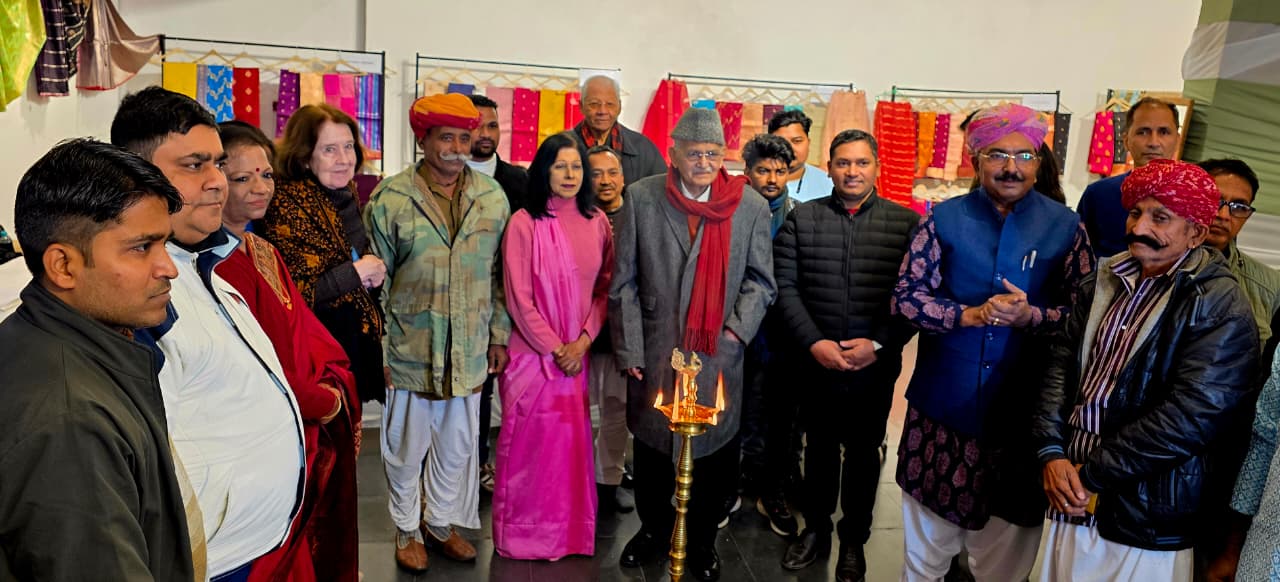
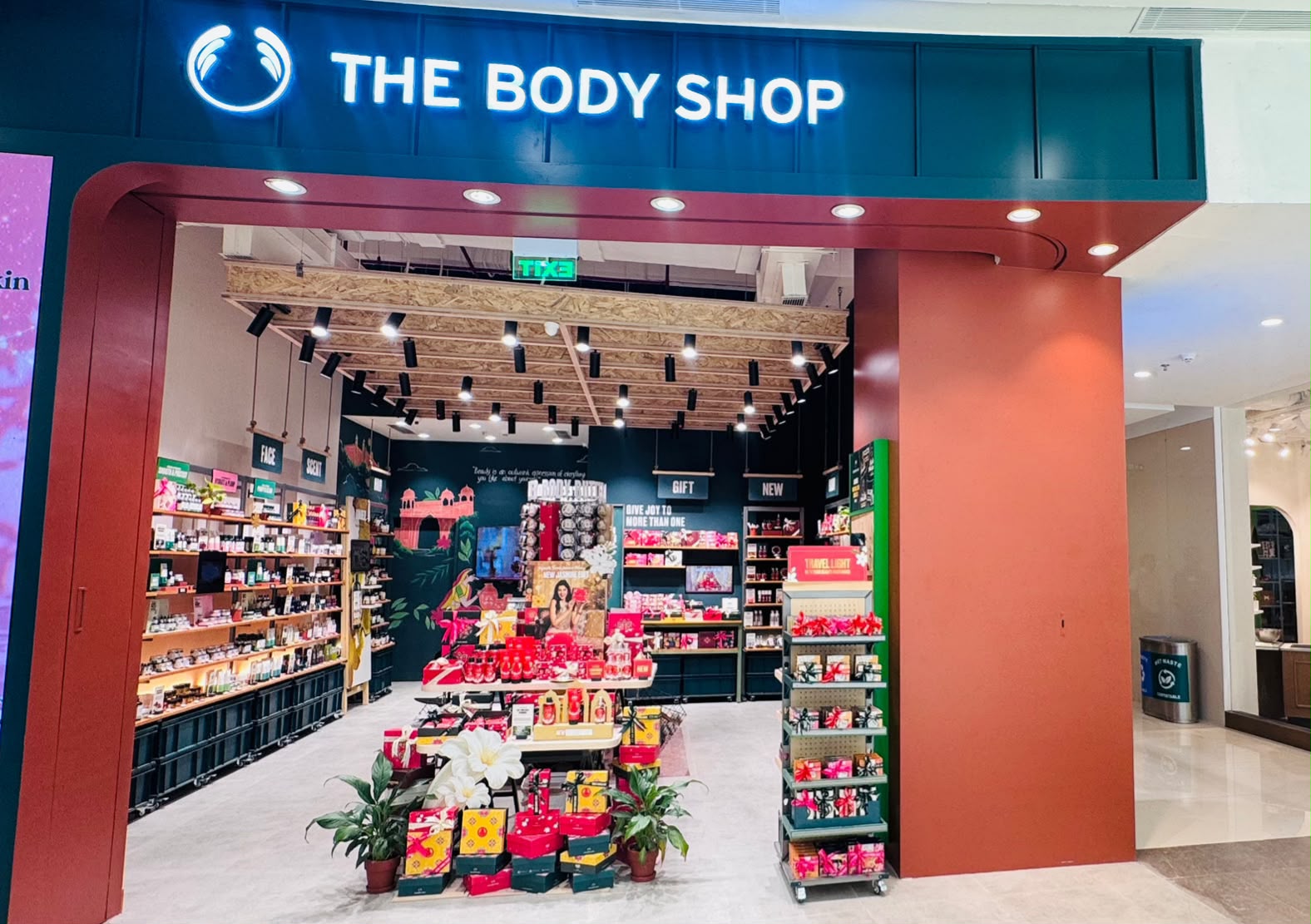
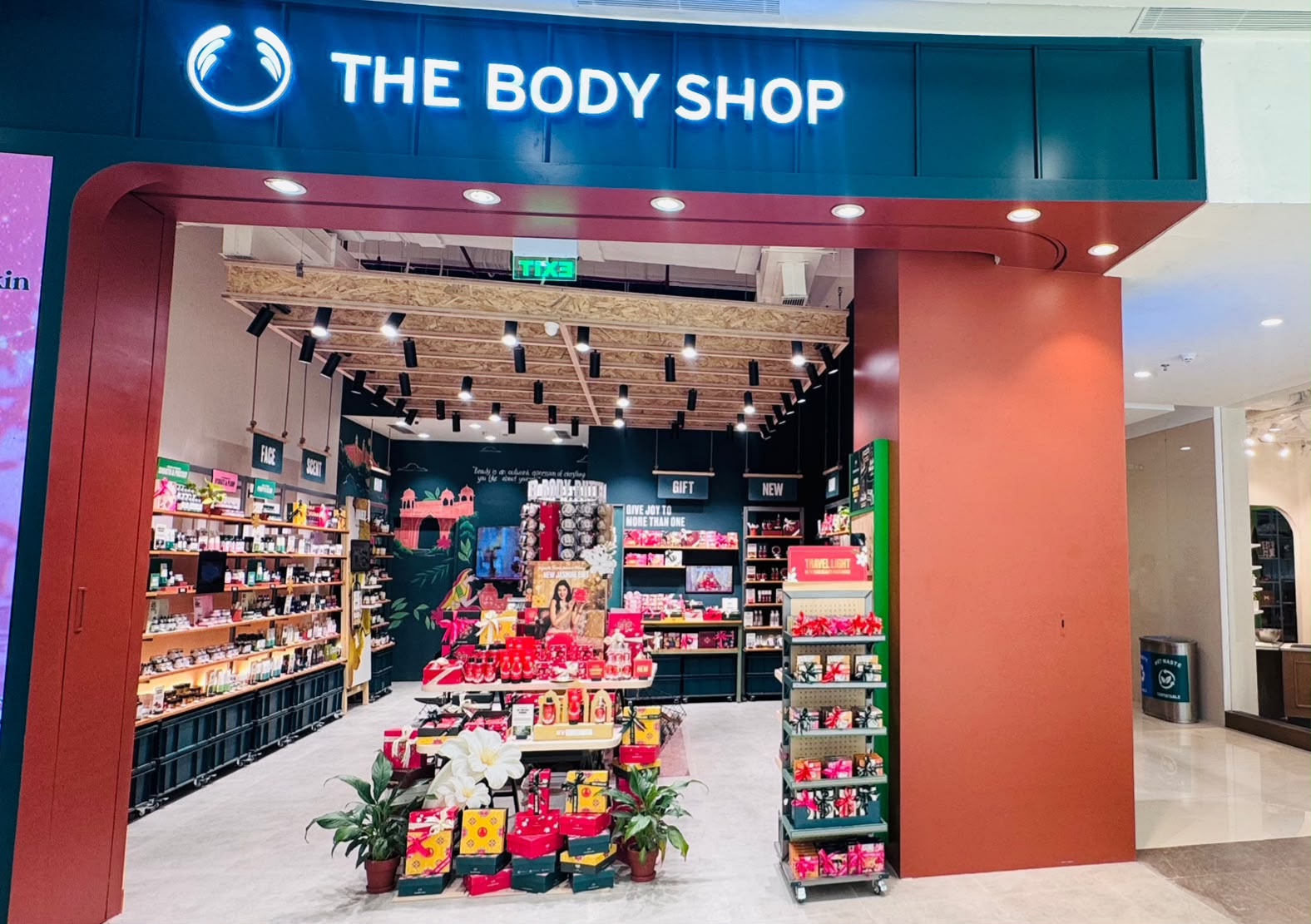
India, Oct 26 : The Body Shop, the iconic British-born international ethical beauty brand, has unveiled its newest store at Pacific Mall, Jaipur, further strengthening its retail footprint in India. The launch reflects The Body Shop’s ongoing commitment to purpose-led...
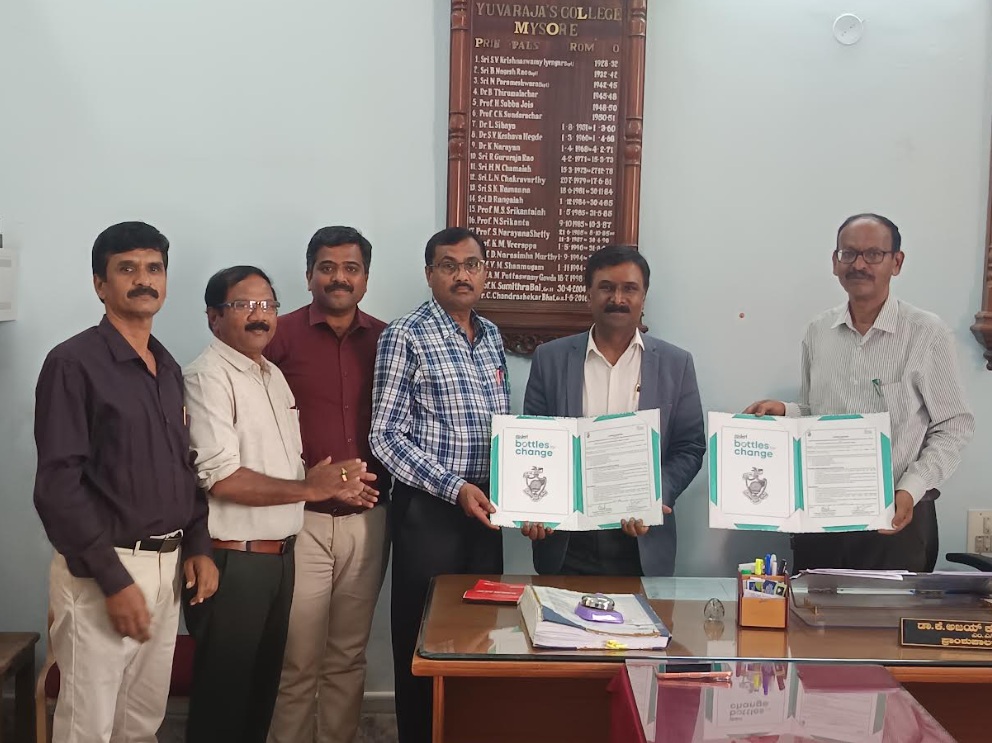
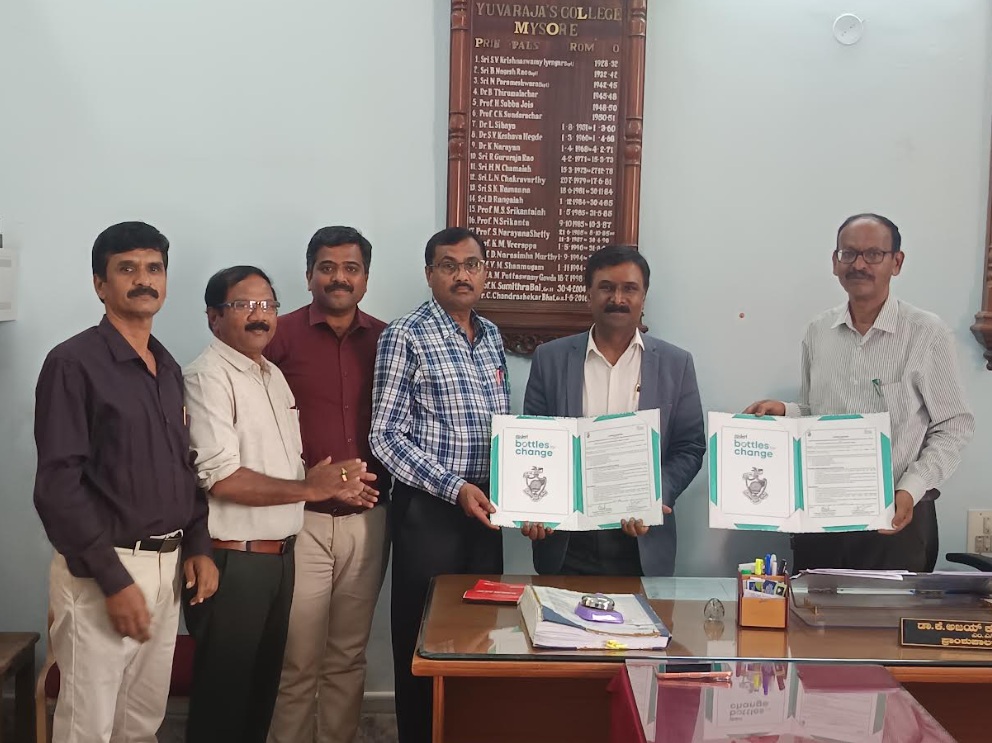
Bisleri International , India's leading packaged drinking water company, has signed a Letter of Association (LOA) with Maharaja's College and Yuvaraja College, two of the constituent colleges of the University of Mysore, under its flagship sustainability initiative, Bottles for Change....


Bengaluru,Oct 26: HyperVerge, an AI-powered customer onboarding and fraud prevention company, today announced that it has become the first and only company in India successfully passed evaluation under European CEN/TS 19099 standard for Injection Attack Detection. At the same time,...

Mumbai, October 26, 2026: Actor Kriti Kharbanda has highlighted an important road safety message through a recent social media post, reminding people that wearing a seatbelt is essential even when travelling in the back seat of a car. Sharing a...

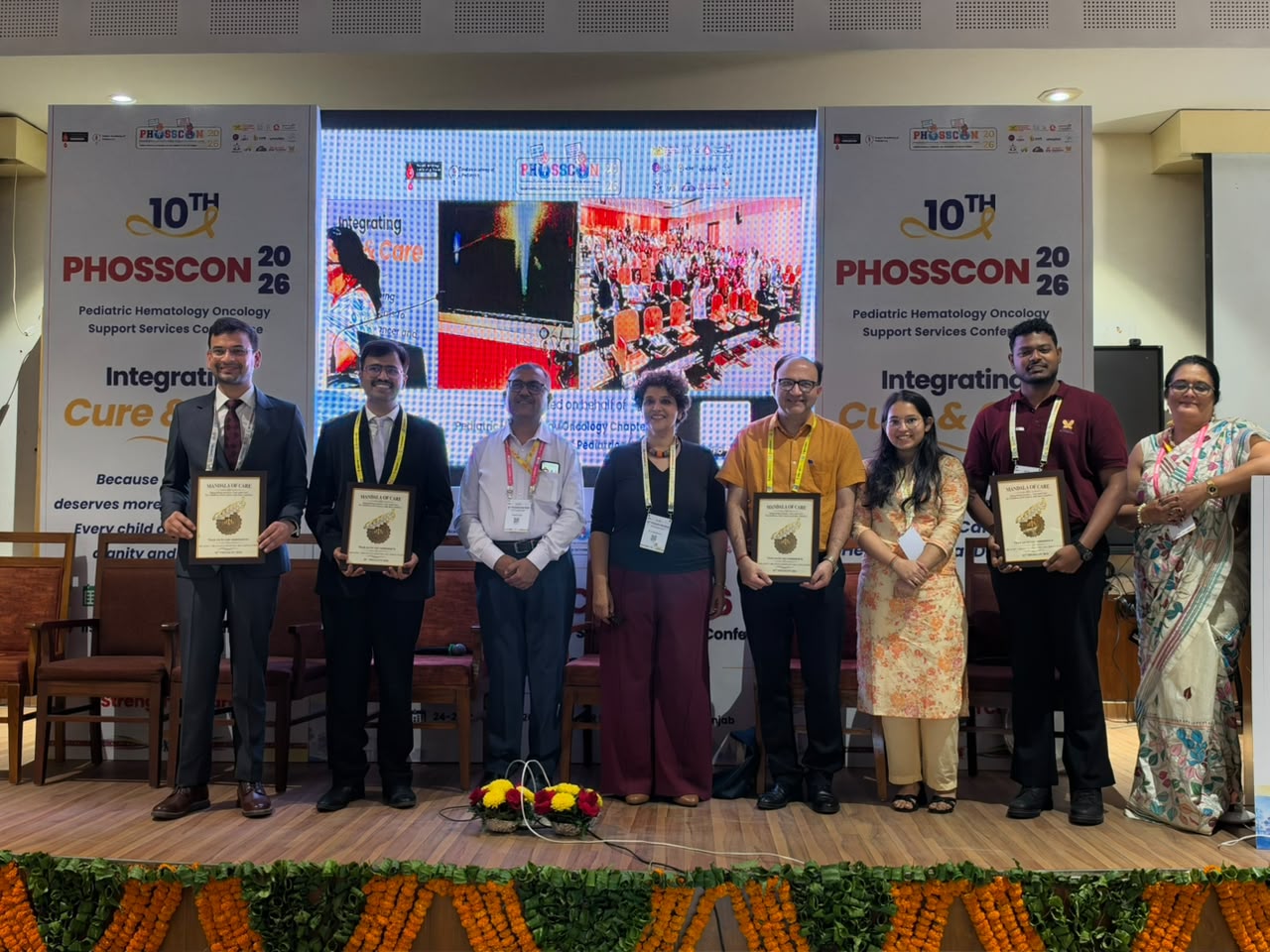
MOHALI, Oct 25: How will India measure its goal of achieving 60%+ childhood cancer survival by 2030—and what must change to help more children survive ? This question was central to the 10th PHOSSCON, held at IISER Mohali on...
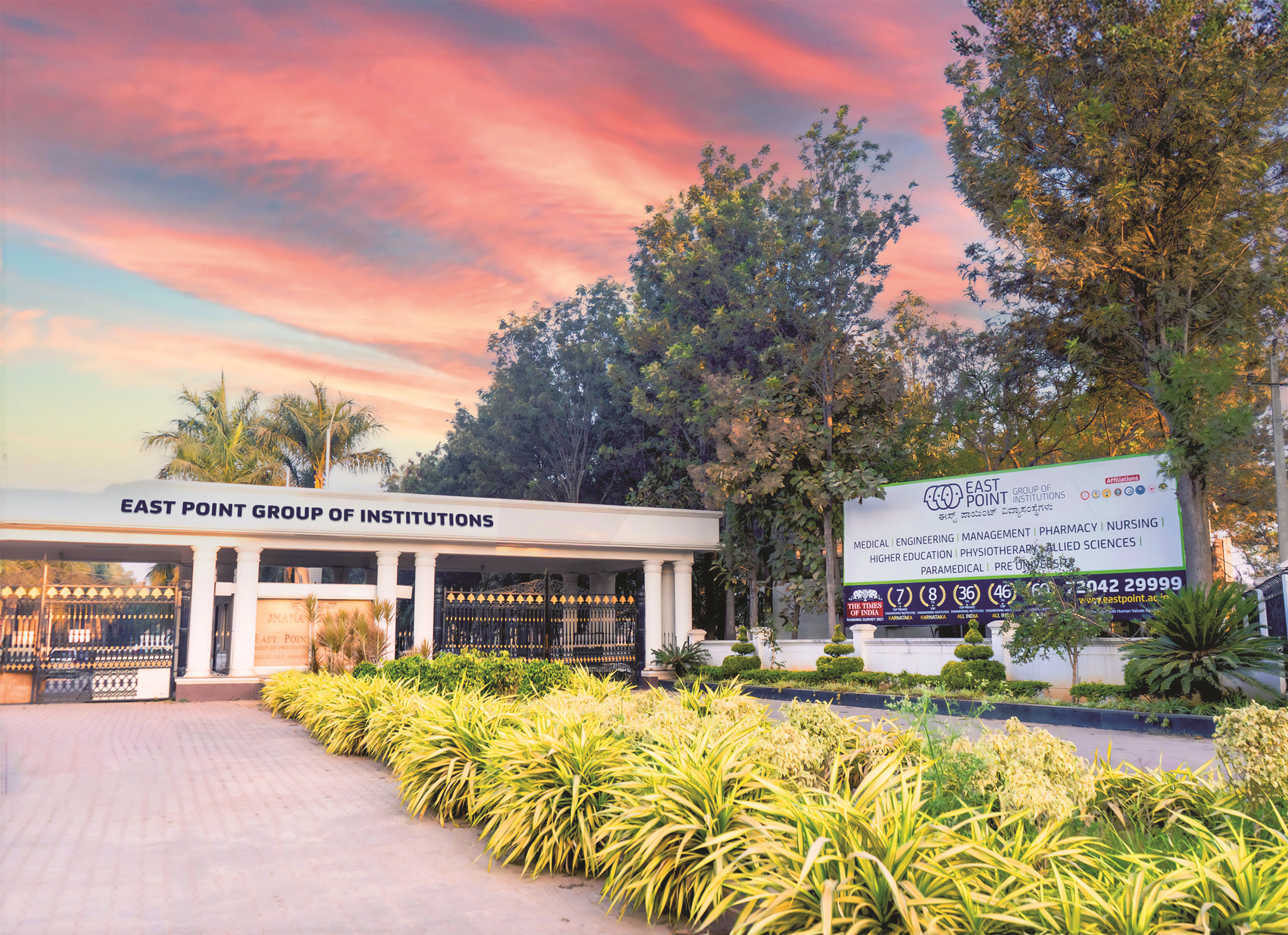
ESP32-based system uses sensors for distance, visibility, accident, and alcohol detection, with real-time alerts and GPS sharing Bengaluru, October 24, 2026 – In a technology-led approach to road safety, students from the Department of Computer Science & Engineering at East...




Oct 26, 2026
Oct 26, 2026
Oct 26, 2026

Oct 26, 2026
Oct 26, 2026
Oct 26, 2026

Oct 26, 2026
Oct 26, 2026