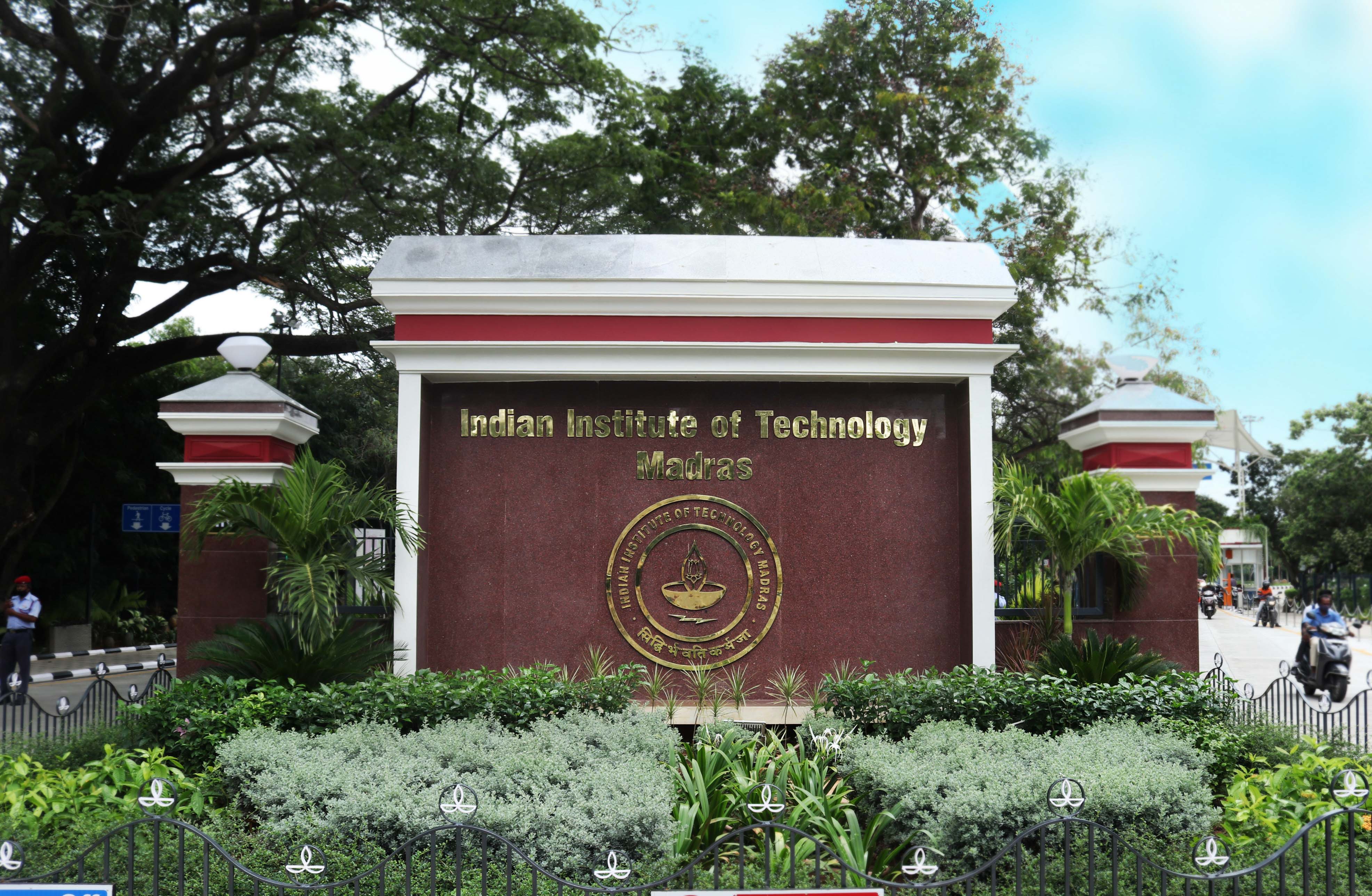
Chennai, July 3: Indian Institute of Technology Madras and Indian Institute of Technology Kanpur have joined hands to launch India’s first practice-oriented four-year Bachelor of Cybersecurity programme. It will commence in the academic year beginning July 2026.
The programme is aimed at addressing the nation’s growing demand for highly skilled cybersecurity professionals. It will equip students with the knowledge and practical expertise required to safeguard the country's rapidly expanding digital infrastructure, strategic sectors and emerging cyber ecosystem. Admissions to this program are jointly done by IIT Madras and IIT Kanpur this year.
Graduates of the programme will be well prepared for careers in cyber defence, security operations centres, penetration testing, vulnerability assessment, digital forensics, malware analysis, cloud security, hardware security and critical infrastructure protection. The programme also provides a strong foundation for higher studies and research in cybersecurity and computer science.
Highlighting the need for such programmes in cybersecurity, Prof. V. Kamakoti, Director, IIT Madras, said,
“Cybersecurity has become fundamental to India's technological sovereignty and national security. Building a resilient cyber ecosystem requires professionals who possess not only strong theoretical foundations but also extensive hands-on experience in defending complex systems.”
Prof. V. Kamakoti added,
“By joining IIT Kanpur in launching this pioneering Bachelor of Cybersecurity programme, IIT Madras is contributing to a new model of undergraduate education that integrates academic excellence with real-world practices. We believe this initiative will create a pipeline of highly skilled cybersecurity professionals who will play a vital role in securing the nation's digital future.”
STRATEGIC NATIONAL PRIORITY
As India accelerates digital transformation across governance, finance, healthcare, transportation, telecommunications, manufacturing and defence, cybersecurity has emerged as a strategic national priority. At the same time, industry estimates indicate a shortage of nearly 1.5 million cybersecurity professionals nationwide, underscoring the urgent need for dedicated undergraduate education in this critical field.
The new Bachelor’s programme introduces a distinctive educational model that integrates strong academic foundations with extensive laboratory training and long-duration professional practice. Unlike conventional undergraduate programmes, it has been specifically designed to develop operational cybersecurity expertise through continuous engagement with real-world systems, technologies and security challenges.
FIELD DEPLOYMENT
A key highlight of the programme is a 2-year Field Deployment Professional Project, during which students will spend the final four semesters working on live cybersecurity projects. They will be mentored by experienced professionals from strategic and critical organisations. This experience will equip graduates with the skills and experience to enter the workforce with substantial practical experience alongside rigorous academic training.
The curriculum has been designed around a competency-based framework that enables students to progressively build expertise across multiple domains. These include Security Operations, Vulnerability Assessment and Penetration Testing, Secure Systems, Malware Analysis, Firmware Reverse Engineering, Hardware Security, Cloud Security and Critical Infrastructure Security.
Students will also have the flexibility to pursue advanced electives in areas like Digital Forensics, Embedded Systems Security, Secure Processor Microarchitecture and Applied Cryptography.
During the first two years, students will undergo intensive laboratory-oriented instruction covering computer systems, programming, Linux system administration, cryptography, computer organisation, operating systems, computer networks, ethical hacking, web security, vulnerability assessment and penetration testing, laying a strong foundation before transitioning to advanced specialisation and professional deployment.