
Kolkata, 26 November 2026: From navigating life-threatening medical conditions to overcoming the physical and emotional challenges of recovery, every journey through critical illness is a testament to courage, resilience, and the collective efforts of healthcare professionals. Celebrating the spirit of survival and highlighting the evolving landscape of critical care, Manipal Hospitals organised ‘A New Dawn – ICU Care Connect’ at Spring Club, Kolkata, bringing together ICU survivors, doctors and multidisciplinary critical care teams to honour remarkable recovery journeys, exchange experiences and deliberate on the clinical, ethical and human dimensions of critical care.
The initiative aimed to recognise the extraordinary journeys of patients who have overcome critical illnesses while acknowledging the invaluable contribution of doctors, nurses and allied healthcare professionals in enabling life beyond the Intensive Care Unit (ICU). Through patient experiences and expert-led discussions, the programme highlighted the importance of advanced life-support technologies, timely medical intervention, multidisciplinary collaboration, compassionate care and post-ICU rehabilitation in improving patient outcomes and quality of life.
The programme will also bring together leading critical care specialists from across Manipal Hospitals’ Kolkata units for an interactive, expert-led discussion on the evolving practices, challenges and ethical considerations in critical care medicine. The participating doctors will include Dr. Subhash Kr. Todi, Dr. Mahuya Bhattacharyya and Dr. Saswati Sinha from Manipal Hospital Dhakuria; Dr. Dipankar Sarkar from Manipal Hospital Salt Lake; Dr. Kishen Goel, Dr. Susrut Bandhyopadhyay and Dr. Rajarshi Roy from Manipal Hospital Broadway; Dr. Tanmay Banerjee and Dr. Dipanjan Chatterjee from Manipal Hospital EM Bypass; and Dr. Chandrashish Chakravarty from Manipal Hospital Mukundapur. The discussion, moderated by Dr. Sugato Chakraborty, will provide a platform for the specialists to exchange clinical perspectives, share experiences and deliberate on the importance of multidisciplinary collaboration, ethical decision-making and holistic patient care in managing critically ill patients.
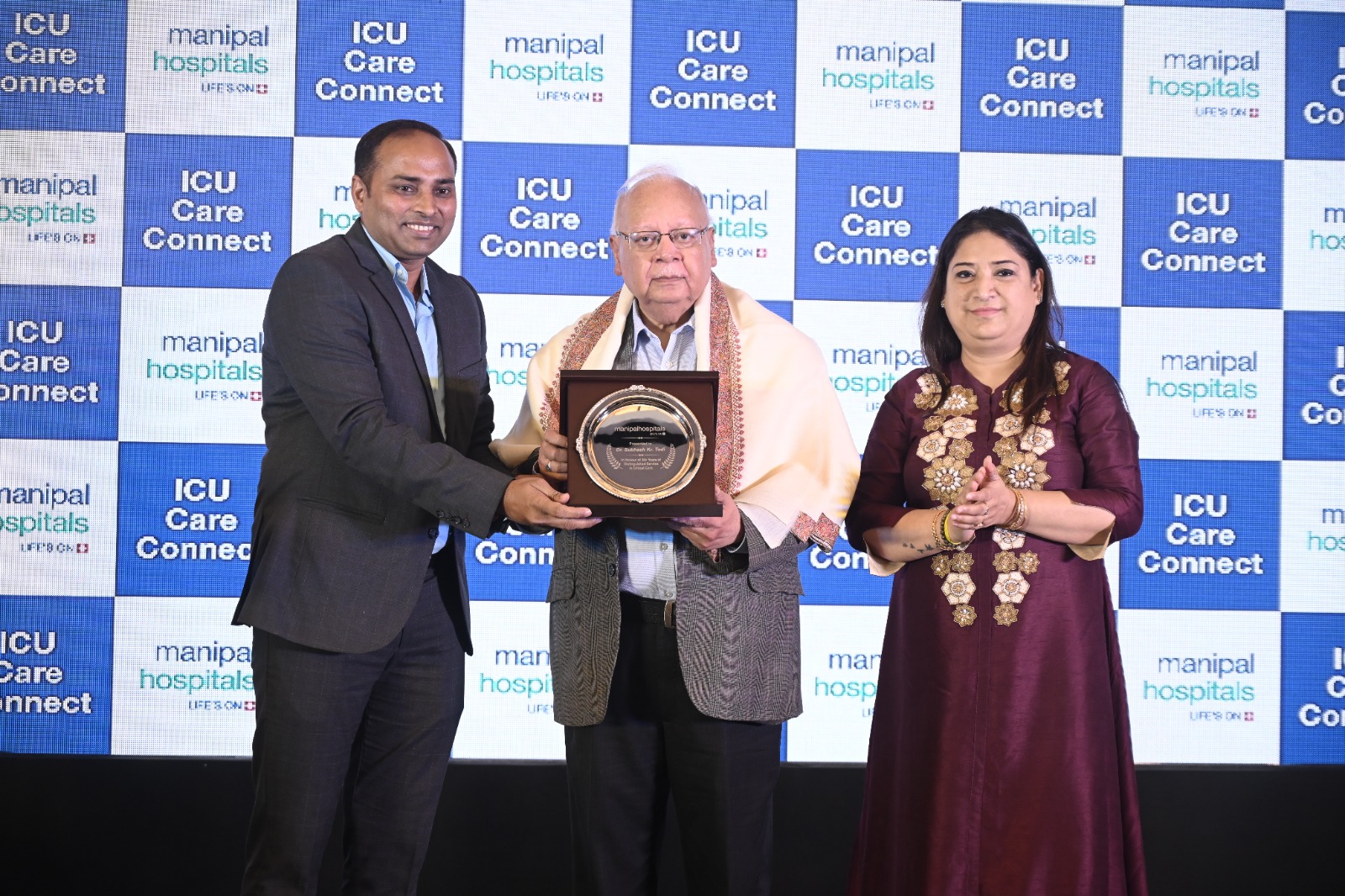
A special highlight of the programme was the felicitation of Dr. Subhash Kr. Todi, Director – Critical Care, Manipal Hospital Dhakuria, in recognition of his over 30 years of distinguished service, unwavering dedication and clinical excellence in the field of critical care medicine. The felicitation honoured his longstanding contribution to advancing critical care practices, nurturing generations of healthcare professionals and strengthening patient-centric intensive care. The recognition also celebrated the invaluable role of critical care specialists whose expertise, commitment and compassion continue to make a profound difference in the lives of critically ill patients and their families.
The programme also featured an expert-led discussion on one of the most ethically complex aspects of modern critical care – the withdrawal of life-sustaining therapies in transplant and Mechanical Circulatory Support (MCS) patients. In recent years, advancements in life-support technologies have significantly improved survival prospects for patients with advanced heart failure and those awaiting transplantation. However, these developments have also introduced complex clinical, moral and legal considerations surrounding the continuation or withdrawal of life-sustaining treatment.
The discussion explored the challenges associated with discontinuing advanced life-support systems such as Left Ventricular Assist Devices (LVADs) and Extracorporeal Membrane Oxygenation (ECMO) in situations where continued treatment may no longer offer meaningful clinical benefit or may conflict with a patient's expressed wishes. Experts deliberated on the importance of patient autonomy, informed consent, transparent communication with families, multidisciplinary decision-making and adherence to established medical, ethical and legal frameworks while ensuring dignity and compassion throughout the continuum of care.
The programme also provided a platform for ICU survivors to reconnect with their treating teams, share their personal experiences and celebrate milestones achieved during their recovery. Their journeys underscored the significance of coordinated medical care, perseverance and emotional support in overcoming the challenges associated with critical illness.
Speaking on the evolution of critical care medicine, Dr. Subhash Kr. Todi, Director – Critical Care, Manipal Hospital Dhakuria, said, “Over the past three decades, critical care medicine has witnessed a remarkable transformation, with advancements in technology, evidence-based treatment protocols and multidisciplinary approaches significantly improving our ability to manage life-threatening medical conditions. However, the essence of critical care continues to lie in timely clinical judgement, teamwork, compassion and an unwavering commitment to patient well-being. While advanced life-support technologies have expanded treatment possibilities, it is equally important to recognise the individual needs, values and dignity of every patient. Seeing patients overcome critical illnesses and return to their families remains one of the most rewarding aspects of this profession. Initiatives such as ICU Care Connect serve as a meaningful reminder that behind every clinical milestone lies a human story of courage, perseverance and hope.”
Emphasising the importance of holistic recovery and life beyond the ICU, Dr. Susruta Bandhyopadyay, Head of the Department - ICU and Critical Care, Manipal Hospital, Broadway said, “Surviving a critical illness is a significant milestone, but for many patients, discharge from the ICU marks the beginning of another challenging journey. ICU survivors may experience prolonged muscle weakness, fatigue, anxiety, sleep disturbances and cognitive difficulties, collectively associated with Post-Intensive Care Syndrome (PICS). These challenges can affect their ability to return to everyday activities and regain independence. A structured recovery programme involving physiotherapy, nutritional support, psychological counselling and regular medical follow-ups can play a crucial role in rehabilitation. Families and caregivers also remain instrumental in rebuilding confidence and emotional well-being. Through ‘A New Dawn – ICU Care Connect’, we aim to celebrate these remarkable journeys while reinforcing the importance of continuity of care and helping patients reclaim their quality of life beyond critical illness.”
Dr Chandrashish Chakravarty, Head of Critical Care, Manipal Hospital Mukundapur, said, “Over the next decade, intensive care will matter less for its machines and more for the stakeholders on sides of the spectrum: patients as persons with stories and families, and health workers whose wellbeing sustains the whole system. Technology will enable clinicians to listen, communicate, and decide with compassion, making the ICU a true test of how a society cares for its most vulnerable section. The ICU care does not end at discharge: survivors and families carry physical, cognitive, and emotional burdens (post-intensive care syndrome), so the ICU of the future will be judged not by who leaves alive, but by how well they live afterward.”
Highlighting the ethical complexities associated with life-sustaining therapies, Dr. Dipankar Sarkar, Senior Consultant in Internal Medicine and Critical Care (ICU), Manipal Hospitals, SaltLake said, “While modern medicine has expanded our ability to sustain life, it has also raised complex questions about continuing intensive interventions when recovery becomes unlikely. Decisions to withdraw life-sustaining therapies require careful clinical evaluation, adherence to ethical and legal frameworks, respect for patient autonomy and transparent communication with families. Importantly, withdrawing treatment does not mean withdrawing care. Compassion, comfort, symptom management and patient dignity must remain central to every decision. Platforms such as ICU Care Connect encourage meaningful dialogue on these sensitive aspects of critical care.”
