The media landscape today combines traditional outlets like newspapers, magazines, and television with digital platforms such as social media, blogs, and news websites. While traditional media remains influential for audiences seeking credible reporting, digital channels offer immediate access, interactivity, and rapid message amplification. Businesses that strategically leverage both types of media can reach targeted audiences effectively, enhance visibility, and shape public perception.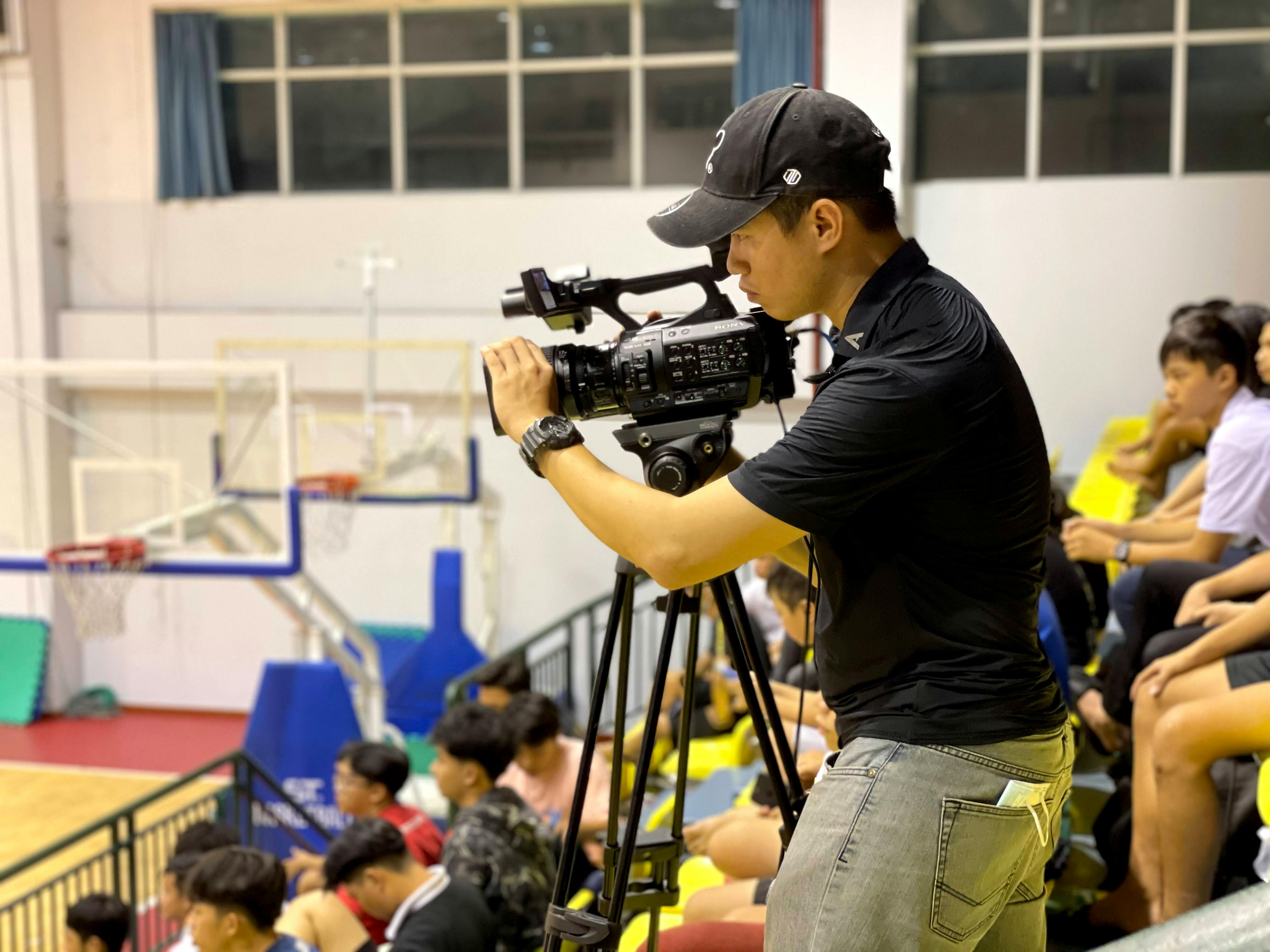
Understanding Your Target Audience
A clear understanding of the target audience is the cornerstone of any media strategy for the best media coverage company. Identifying demographics, interests, and behaviors allows businesses to craft messages that resonate and select the most appropriate media channels. Younger audiences may prefer social media, while older demographics often rely on traditional outlets. Additionally, knowing your audience helps determine the types of stories that will engage them—whether it’s environmental initiatives, product launches, or industry innovations. Regularly updating this knowledge ensures content remains relevant and helps strengthen both media relationships and consumer trust.
Crafting Effective Press Releases
Press releases remain a critical tool for securing media coverage. A strong headline that captures attention is the first step, followed by clear, concise content that answers the “5 Ws and H” of journalism: who, what, where, when, why, and how. Including relevant quotes from executives or industry experts adds credibility and context, helping journalists convey the story effectively. Maintaining clarity, avoiding jargon, and following a logical structure ensures the press release is professional and engaging. Well-crafted releases increase the likelihood of coverage and positively impact brand visibility.
Building and Maintaining Media Relationships
Relationships with journalists and media representatives are invaluable. Researching reporters who cover your industry and engaging with their work—by sharing, commenting, or highlighting their content—can help establish credibility and rapport. Follow-ups, providing valuable insights, and offering exclusive information foster long-term partnerships. A business that positions itself as a reliable and helpful source is more likely to receive consistent media attention, enhancing brand reputation and visibility.
Leveraging Social Media for Media Coverage
Social media platforms are now indispensable for extending media reach. Engaging with journalists, sharing newsworthy content, and using multimedia elements like images and videos can amplify visibility. Hosting webinars, live Q&A sessions, or other interactive events generates audience interest and attracts media attention. Incorporating trending hashtags and aligning content with relevant discussions further increases discoverability. Businesses that actively and strategically engage on social media can build stronger connections with both journalists and their target audience.
Preparing for Media Interviews
Effective preparation is critical for media interviews. Anticipating potential questions, researching the interviewer, and developing 3–5 key messages ensures the business’s story is conveyed clearly and consistently. Professional presentation, confident body language, and clear communication enhance credibility. Practicing through mock interviews helps refine messaging and boosts confidence, ultimately improving the quality of media coverage.
Measuring the Impact of Media Coverage
Monitoring and analyzing media coverage is vital for assessing effectiveness. Tools that track mentions across articles, blogs, and social media allow businesses to measure reach and engagement. Metrics such as likes, shares, comments, and click-through rates indicate audience interaction, while circulation and unique visitor statistics reflect overall exposure. Gathering feedback and conducting surveys can provide qualitative insights into how coverage influences brand perception. By combining quantitative and qualitative data, businesses can refine media strategies and optimize future campaigns.
Using Storytelling to Enhance Coverage
Storytelling helps businesses connect with audiences on an emotional level. Crafting narratives that highlight challenges overcome, unique solutions, or community impact makes the business more relatable and appealing to journalists. Tailoring stories for different media outlets, incorporating visuals, and emphasizing core values enhance engagement. Authentic storytelling not only attracts media attention but also strengthens brand identity and fosters long-term audience loyalty.
Staying Updated on Media Trends
Keeping pace with evolving media trends is essential. Digital platforms continue to grow in importance as traditional media faces declining engagement. Businesses must adapt content strategies to align with audience preferences and platform dynamics. Transparency, authenticity, and relevance have become key drivers of media success. Utilizing monitoring tools, participating in industry discussions, and following thought leaders helps businesses anticipate trends and maintain a competitive edge in media coverage.
Conclusion
Navigating today’s media environment requires a strategic approach that combines audience insight, compelling storytelling, strong media relationships, and an understanding of both traditional and digital platforms. By preparing press releases thoughtfully, engaging effectively on social media, and continuously monitoring trends, businesses can secure impactful media coverage, enhance their brand reputation, and build lasting connections with their audiences. Success in the modern media landscape lies in adaptability, authenticity, and consistent, strategic engagement.