Keturah founder says government vision and national mandates have made human wellbeing a development priority
Dubai, UAE, May 14: Dubai luxury developer Keturah has welcomed a new global report showing the UAE as one of the world's fastest-growing wellness real estate markets, saying the findings reflect a fundamental shift in how the industry must think and build.
The study, released earlier this week by the Global Wellness Institute (GWI), reveal that wellness real estate now represents over 12% of all construction in the UAE, where the market grew from $3.3 billion to $14.6 billion between 2017 and 2025.
With the global market projected to more than double from $876 billion in 2025 to $1.8 trillion by 2030, the report says over 555,000 wellness-focused residential units now in the pipeline across the UAE and Saudi Arabia alone.
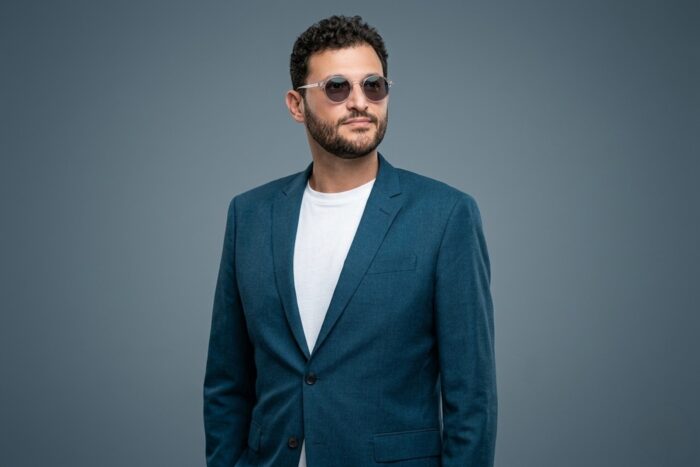
Talal M. Al Gaddah, CEO and Founder of the Keturah luxury brand, said today: "The UAE's growth in this sector is the direct result of government vision and national mandates that have made human wellbeing a development priority, and policy will continue to shape the market."
He says the GWI, the leading research organization for the global wellness industry, is fully justified in defining wellness real estate as a response to, and a correction of, past "unwell" development.
"For too long the industry built environments that looked impressive, but took little account of the health and quality of life of the people living in them,” said Talal. “Those days are over. It is no longer just about energy ratings or green certifications. The social, physical, mental and community dimensions of how people actually live create a far more meaningful standard today.”
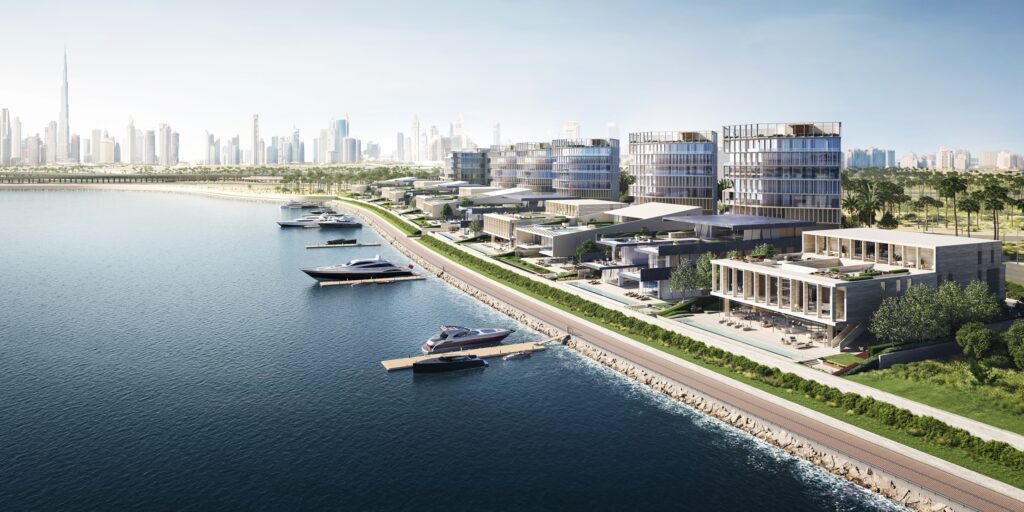
Two Keturah projects under development in Dubai are built around these principles. The Ritz-Carlton Residences at Keturah Resort is the Middle East's first fully wellness-certified resort. Located on the shores of Dubai Creek, adjacent to the Ras Al Khor Wildlife Sanctuary, it comprises 12 water front mansions, 193 apartments, a five-star boutique hotel, standalone wellness centre and private marina.
Meanwhile, Keturah Reserve, the AED5.7 billion bio-living community at Mohammed Bin Rashid City's District 7, is a 540-home development of low-rise apartments, townhouses and villas designed around nature, natural light and the science of daily wellbeing.
The GWI report highlights nature, culture and heritage as important assets in wellness real estate. “In fact, they are what give a development its soul,” says Talal. “A community rooted in its landscape and its identity is one that residents feel proud to live in. Without that, you simply have a building."
“Another key takeaway is that wellness real estate must serve all members of a community, not just its buyers, and this is something built into our culture at Keturah. Wellness real estate has to work for everyone, and that responsibility starts at home. Developers who genuinely care about the wellbeing of their own employees set a standard that runs through everything they build."
Based on a review of over 300 independent studies, the GWI says wellness-focused residential properties at the middle and upper ends of the market command a price premium of 10-25%. "Wellness real estate sells at stronger prices, attracts buyers who are in it for the long term, and holds its value," says Talal. "The market is rewarding developers who made this commitment early."
Looking ahead, he sees demographic change as the industry's next great opportunity. "Older residents, younger buyers, and changing family needs each bring new possibilities. The developers who pay attention to those shifts now will be the ones setting the pace in years to come." The new GWI research was presented at the Global Wellness Summit’s Wellness Real Estate & Communities Symposium in New York City on Tuesday.