
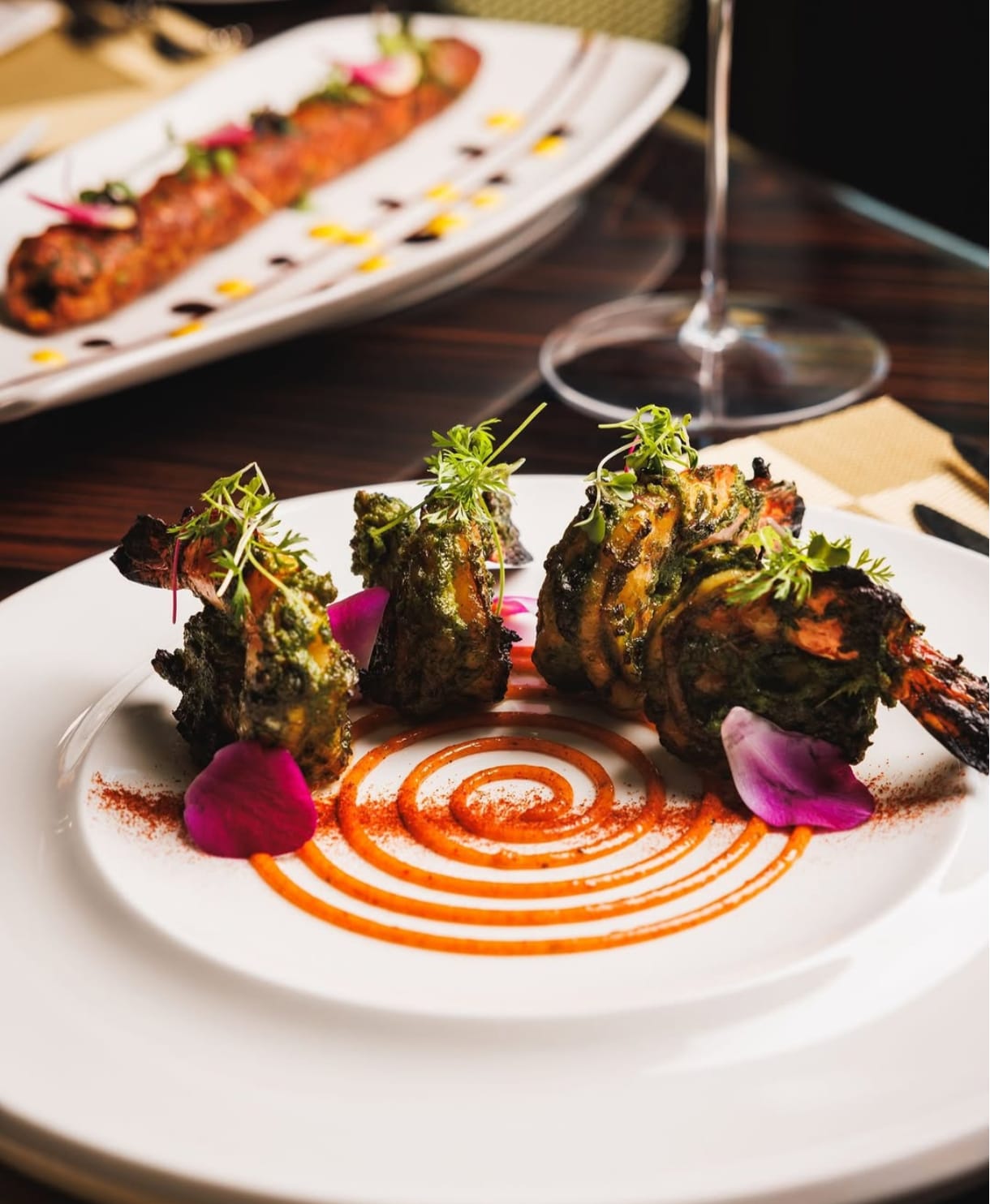
Indian cuisine's presence in international dining is opening up opportunities to move beyond familiar restaurant favourites and introduce diners to the country's diverse regional food traditions. As restaurants explore broader menus and distinctive culinary identities, regional specialities from Punjab, Awadh, Rajasthan, Bengal, Kashmir and southern India offer new ways to present the depth of Indian cooking. For chefs such as Tejesh Kumar Mali, this shift highlights the importance of preserving traditional techniques while meeting the expectations of contemporary diners.
For years, Indian food abroad has often been represented by a familiar selection of dishes, including butter chicken, biryani, naan, samosas and popular curry preparations. While these remain important to the cuisine's international recognition, India's culinary heritage extends far beyond these staples. Regional cooking traditions offer different ingredients, spice combinations and preparation methods that reflect local histories, geography and cultural practices.
Moving Beyond Familiar Flavours
Punjabi cuisine is known for its tandoori preparations and robust gravies, while Awadhi cooking features aromatic spices and slow-cooked dishes. Rajasthan's culinary traditions reflect local ingredients and the region's climate, whereas southern Indian cuisines offer diverse rice preparations, fermented foods and coconut-based curries. Bengali cooking brings distinctive fish preparations, mustard-based flavours and traditional sweets, while Kashmiri cuisine is recognised for its aromatic dishes and specialised cooking methods.
These differences provide restaurants with opportunities to introduce diners to a wider range of Indian food. However, presenting regional cuisine requires more than adding unfamiliar dishes to a menu. Chefs need to understand the ingredients, preparation methods and flavour profiles that give each tradition its distinctive identity.
Preserving Authenticity in Modern Kitchens
Traditional techniques remain central to Indian cooking. Marination, tempering, slow cooking, roasting and charcoal grilling influence the flavour, texture and aroma of many preparations. The sequence in which ingredients are introduced and the balance of spices can significantly affect the final dish.
Authenticity does not necessarily mean avoiding change. Contemporary presentation and modern menu formats can introduce traditional food to new audiences, provided the defining ingredients and techniques remain central to the dish.
Changing Expectations in International Dining
Restaurants increasingly have opportunities to distinguish themselves through menus that communicate a clear culinary identity. Regional Indian specialities can offer diners alternatives to standardised menus while introducing the cultural and culinary stories behind individual preparations.
Vegetarian cuisine is another important part of this opportunity. Lentils, pulses, seasonal vegetables, grains and dairy products form the foundation of numerous regional dishes, demonstrating the variety achievable through ingredients and cooking techniques.
At the same time, professional chefs must balance creativity with the operational demands of hospitality. Kitchen coordination, hygiene, inventory management, portion control and food-cost planning all contribute to maintaining consistency and service standards.
Tradition Meets Contemporary Presentation
Modern dining formats can provide new ways to experience Indian cuisine without removing its regional character. Thoughtful plating, carefully structured menus and contemporary restaurant settings can make traditional dishes accessible to different audiences while preserving their distinctive flavours.
The challenge for chefs is to ensure that innovation supports rather than overshadows the culinary tradition behind a dish. Understanding the origins of recipes and respecting established preparation methods can help maintain a meaningful connection between heritage and modern dining.
Expanding the Global Conversation Around Indian Food
The international reach of Indian cuisine creates opportunities to bring greater attention to regional ingredients, specialised cooking techniques and lesser-known dishes. For culinary professionals such as Chef Tejesh Kumar Mali, this broader conversation underlines the value of technical knowledge, consistency and respect for India's diverse food traditions.
As restaurants explore a wider range of regional preparations, Indian cuisine's international identity has the potential to extend beyond a handful of familiar favourites. Its strength lies in the variety of flavours, ingredients and culinary histories that define different parts of the country.
The next phase of Indian food's global journey may therefore be shaped not only by its most recognised dishes, but also by the chefs and restaurants that help diners discover the regional traditions behind them.
Publication note: The opening now has a stronger industry-news angle. For a genuinely news-led Hindustan Times article, a verified development involving Chef Tejesh Kumar Mali—such as a new appointment, a regional menu launch, or a culinary initiative—would make the story more specific and compelling.
