
From Bookings to Experiences: What Is Driving India's Festive Travel Boom?
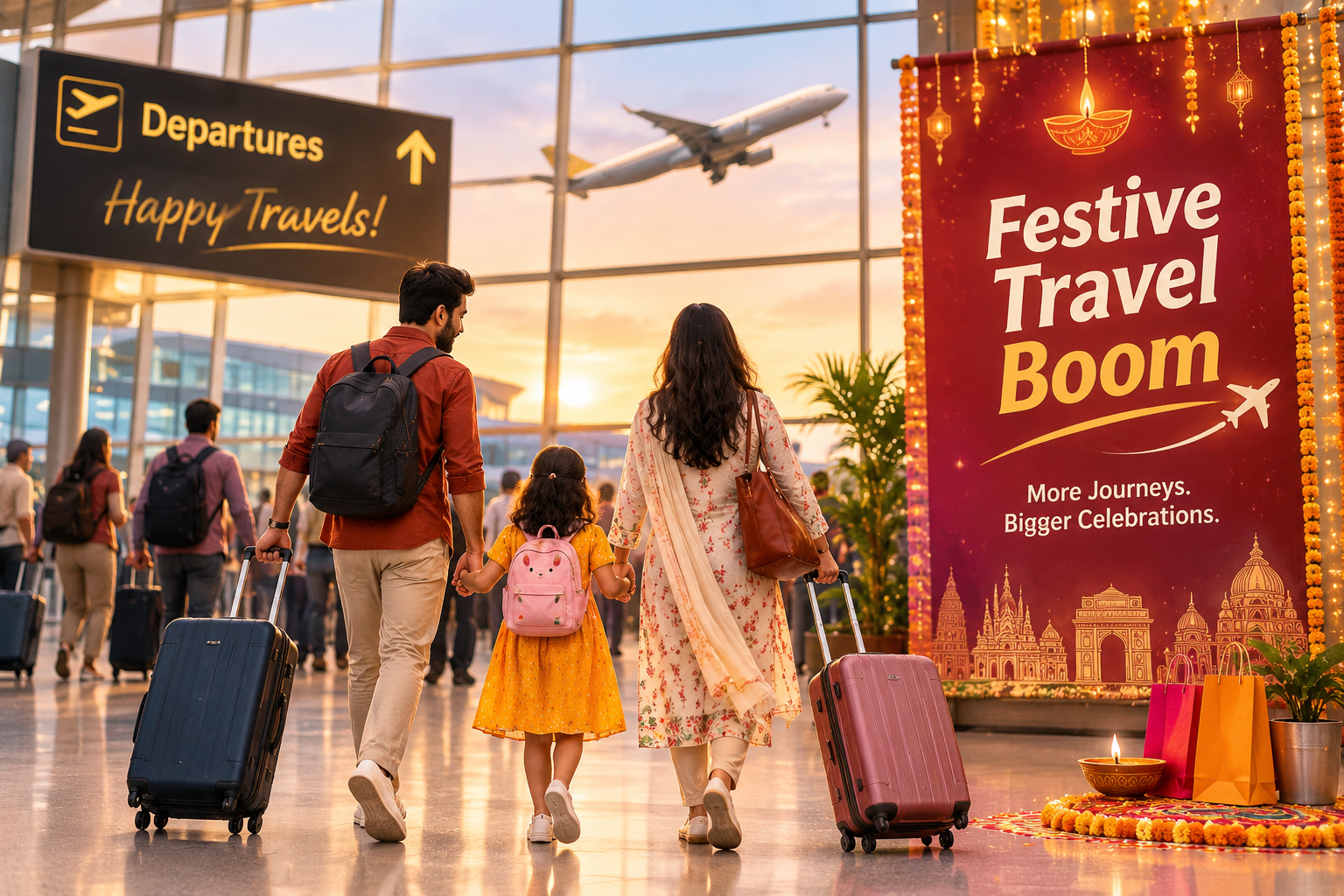
Nov 06: As the festive season begins in India, the pace of traveling picks up. With an increase in domestic travel by over 40%, there appears to be an increase in the interest in travel spots other than big cities and popular tourist destinations. Tourists today want to have vacations that not only offer sightseeing but also provide opportunities for adventure and interaction with local people.
This shift also reflects changing holiday preferences. Rather than choosing destinations solely for their popularity, travellers are considering the kind of experience they can have, the time required to reach a place and whether it offers something different from their usual travel routine.
Unlocking Opportunities for Tourism Sector
Mrs Jyoti Mayal, Chairperson, Tourism & Hospitality Skill Council (THSC), says, “India’s festive travel boom reflects a shift in the way people are choosing to travel. The focus is gradually moving beyond simply booking a holiday to seeking experiences that are more meaningful, personalised and memorable. Travellers are increasingly exploring regional destinations, immersive cultural experiences, nature-led getaways and local cuisines. Technology and AI-powered travel tools are also making it easier for people to discover lesser-known destinations, compare options and plan holidays around their individual interests.”
She also highlights that improved connectivity and the growing popularity of shorter, more frequent breaks is opening up new opportunities for India's tourism sector. The next phase of growth will depend not just on attracting more travellers, but on creating distinctive experiences that encourage them to explore more, stay longer and engage more deeply with the destinations they visit” Hospitality takes centre stage in emerging markets
As interest in smaller destinations grows, the quality of accommodation is becoming an important part of the travel experience. Travellers may be willing to explore unfamiliar places, but their expectations around comfort, cleanliness, safety and service remain unchanged. They also look for convenient access to local attractions and reliable information about the destination. For hotel operators, this creates an opportunity as well as a challenge. They need to provide consistent service standards while ensuring that guests experience the character of the place they are visiting.
According to Sandeep Basu, CEO of OPO Hotels & Resorts, “Today, travelers may seek off-the-beaten-path destinations, but their standards for comfort, reliability and service remain uncompromised. The real art of regional hospitality lies in delivering seamless excellence while authenticating the local character, transforming a hotel from just a place to stay into a gateway for local discovery.”
The opportunity extends beyond leisure travel
Not every emerging destination depends entirely on holidaymakers. Smaller cities can also attract business travellers, professionals, families visiting relatives and people travelling for local events. This mix can help create a more consistent demand for accommodation, beyond the festive and holiday periods. The availability of quality accommodation can influence how comfortably visitors plan their stay and whether they consider returning.
Samraat, General Manager of Laa Montre Collection Hotels & Resorts, emphasises, "Emerging hubs like Meghalaya, Spiti, Andaman, Rajasthan and Himachal Pradesh prove that regional travel is driven by everyday economic momentum, from corporate business to family visits rather than seasonal tourism. The real growth opportunity lies in building dependable, high-quality infrastructure that matches this year-round demand and puts tier-2 and tier-3 markets firmly on India’s hospitality map.”
Can festive interest translate into year-round demand? Travellers are experimenting with new destinations and considering places they may not have explored earlier. However, it takes much more than mere seasonal campaigns to keep up with the level of excitement. The reason for tourists to make repeated visits is essential to sustain the interest. Cultural elements, better access to unconventional places through improved infrastructure, and the experience that the destination offers may be considered to attract visitors for multiple trips.
The prospects for future success of the new destinations depend a lot on the way local infrastructure and local hospitality industries can respond to the changing needs of the tourist. Connectivity might bring them in, but proper facilities will decide whether they come back or not.
